



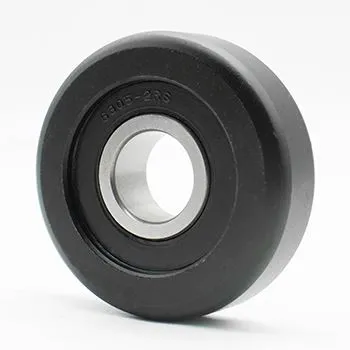


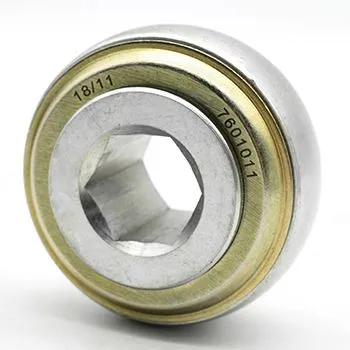

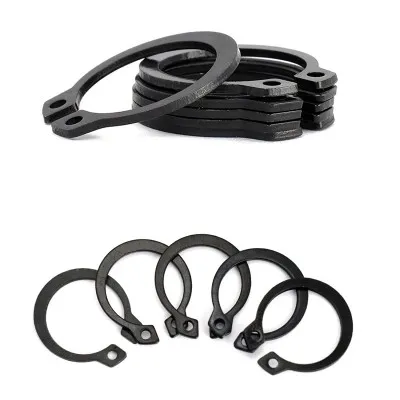
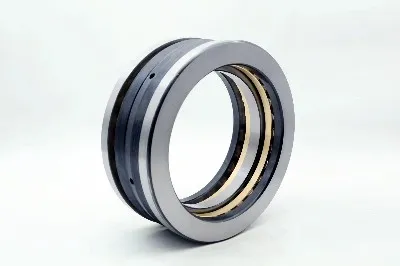
In each process of bearing parts processing, in order to obtain the size, shape and position accuracy of the bearing machined surface, the machine tools, fixtures and tools must be adjusted, and any adjustment work will inevitably bring certain errors. The production batch and processing accuracy of roller bearing parts in mechanical processing often have different requirements, and the adjustment methods adopted are also different.
These stages in the bearing life cycle are very important to obtain the maximum service life of the bearing. By properly performing maintenance and using the proper tools, you can significantly extend the life of roller bearings, increasing plant productivity and production efficiency. Including Temperature, Noise, Speed and Vibration Measuring Instruments During operation, it is important to regularly check the condition of bearings using basic condition monitoring means, such as temperature, vibration and noise measurements. Regular testing can identify potential failures and help prevent unplanned downtime. Therefore, it is possible to arrange an equipment maintenance plan in line with the production plan, improving the productivity and production efficiency of the factory.
Commonly used methods for adjusting bearing radial clearance are as follows:
1. For the top clearance of cylindrical and elliptical bearing pads, it can be adjusted by manual scraping or by adding pads to the middle part of the bearing when the situation permits.
2. For multi-oil wedge tilting bearing pads, scraping pads are not allowed to be repaired. If the gap is not suitable, the pads should be replaced. For tiles with adjustable thickness, the amount of tiles can be adjusted by adding a stainless steel pad under the adjustment block behind the tile, or by reducing the thickness of the adjustment block. Note that for multi-oil wedge tilting bearing pads, the thickness error between pads in the same group should be less than 0.01mm.
3. For multi-wedge fixed bearing pads, in principle, it is not allowed to repair and adjust the gap between the bearing pads. If the gap is not suitable, replace it with a new one.
4. For the side clearance of cylindrical and elliptical bearing pads, it can be adjusted by manual scraping or the method of trimming and scraping after turning with a pad in the middle of the bearing