


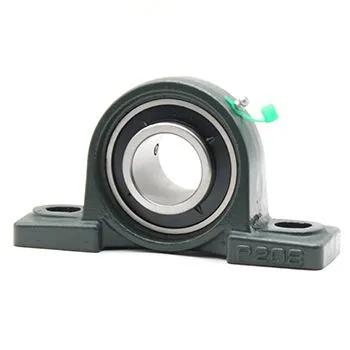

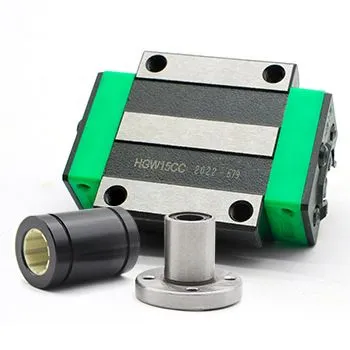
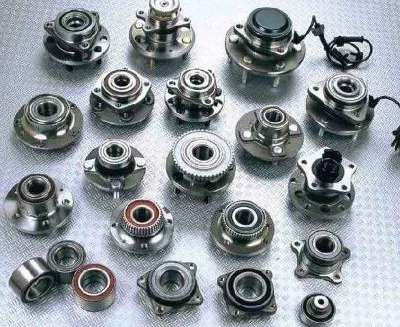



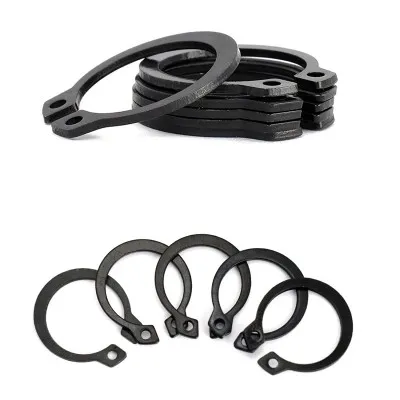
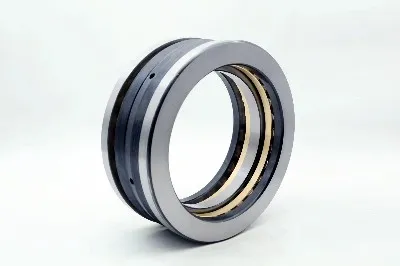
Bearing steel is a special kind of steel mainly used to manufacture rolling elements and rings. It needs to have a series of excellent characteristics to meet the extreme conditions that rolling bearings face when working.
1. High wear resistance: When rolling bearings are working, the contact surface will bear a lot of friction and wear. Therefore, bearing steel must have high wear resistance to reduce wear and extend service life.
2. High hardness: Hardness is one of the important characteristics of bearing steel. The hardness requirement of bearing steel is generally above HRC60 so that it can maintain good hardness and wear resistance when bearing large loads.
3. High strength: Bearing steel needs to have sufficient strength to resist stresses such as impact, vibration and bending during work. High strength can ensure the stability and reliability of bearings.
4. Good toughness and corrosion resistance: Bearing steel also needs to have good toughness and corrosion resistance to cope with complex working environments and conditions. This ensures that the bearings maintain their performance and structural stability over long periods of use.
5. Uniform chemical composition and microstructure: The chemical composition and microstructure of bearing steel must be uniform to ensure the uniformity of its hardness and strength and to reduce local fatigue and stress concentration that may occur during use.
6. Good processing performance: In order to meet the high-precision and high-efficiency manufacturing requirements of rolling bearings, bearing steel should also have good processing properties, such as cutting performance, heat treatment performance, etc.
Bearing steel is a special steel with excellent comprehensive properties. Its unique characteristics make it the first choice material for manufacturing rolling bearings. These characteristics ensure that rolling bearings can maintain high precision, high stability and long life when working.